
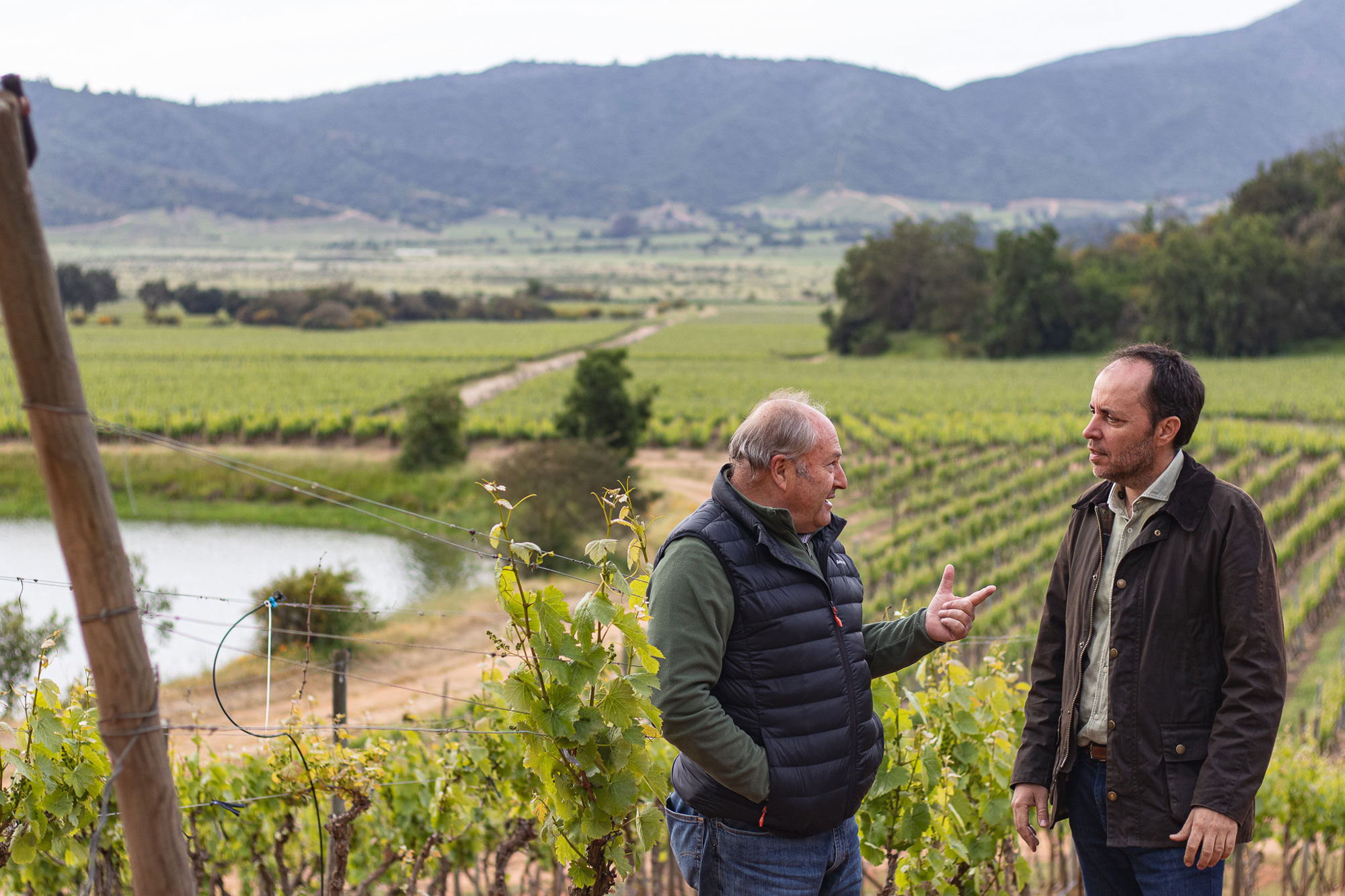
Before becoming a global phenomenon widely associated with Argentina, Malbec had already found in Chile an equally promising territory—one that, for a long time, remained relatively unexplored.
Originally from Cahors, in southwestern France, the variety arrived in South America through Santiago around 1840. It quickly spread across regions such as Itata and Maule (home today to some of the country’s oldest vines) before moving on to valleys like Cachapoal, Colchagua and, eventually, Casablanca.
Despite this long history, it was only in recent decades that Chilean Malbec began to capture consumers’ attention. This shift is reflected in Chile’s export data, which shows a growing interest in wines from the country, pointing to a renewed perspective on this variety.
The Birth of Casatinta — and the Reinvention of Casablanca
For years, the Casablanca Valley built its reputation as one of Chile’s leading regions for cool-climate white wines and lighter-style reds. This legacy began more than four decades ago, when Pablo Morandé recognized the region’s potential and planted his first vineyards there, paving the way for a new interpretation of Chilean wine.
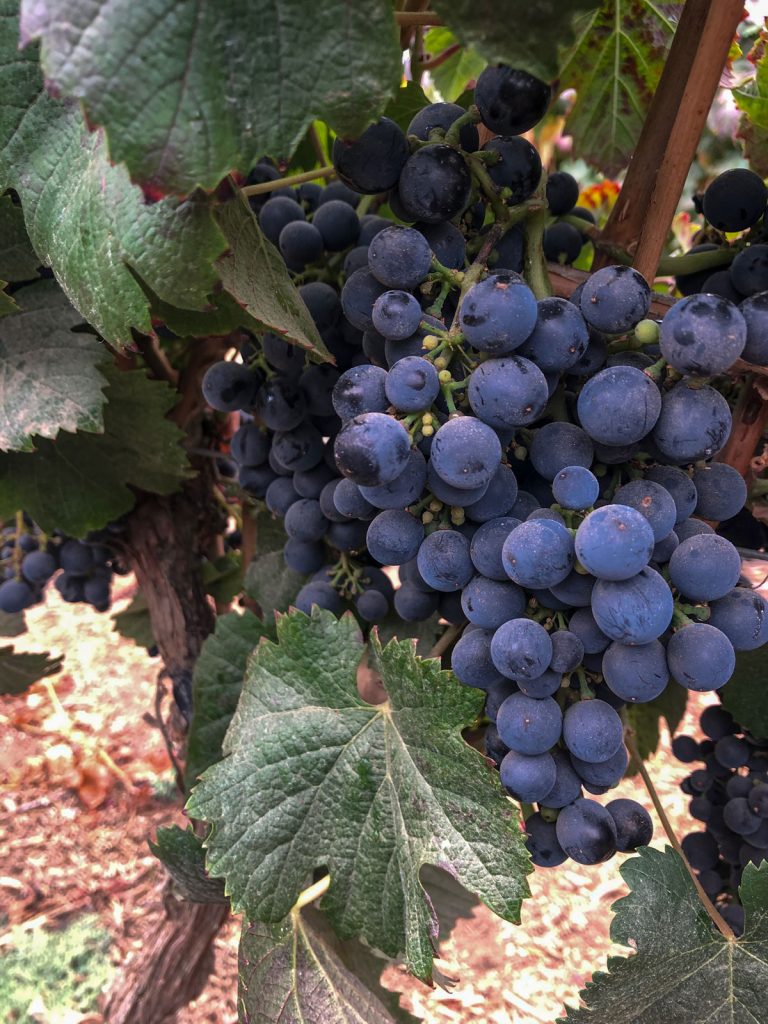
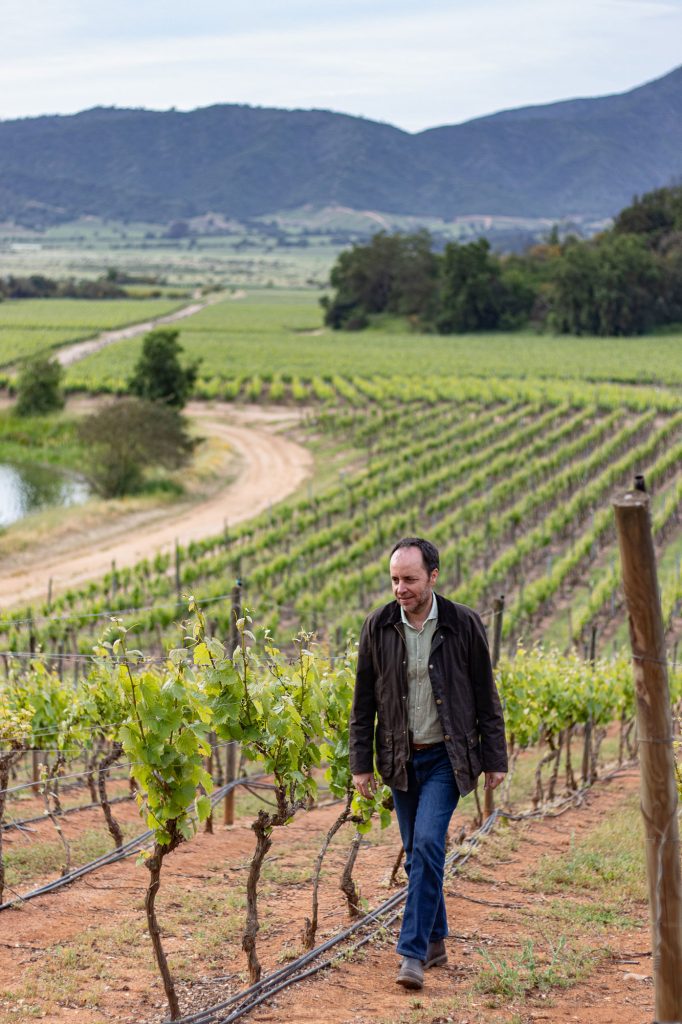
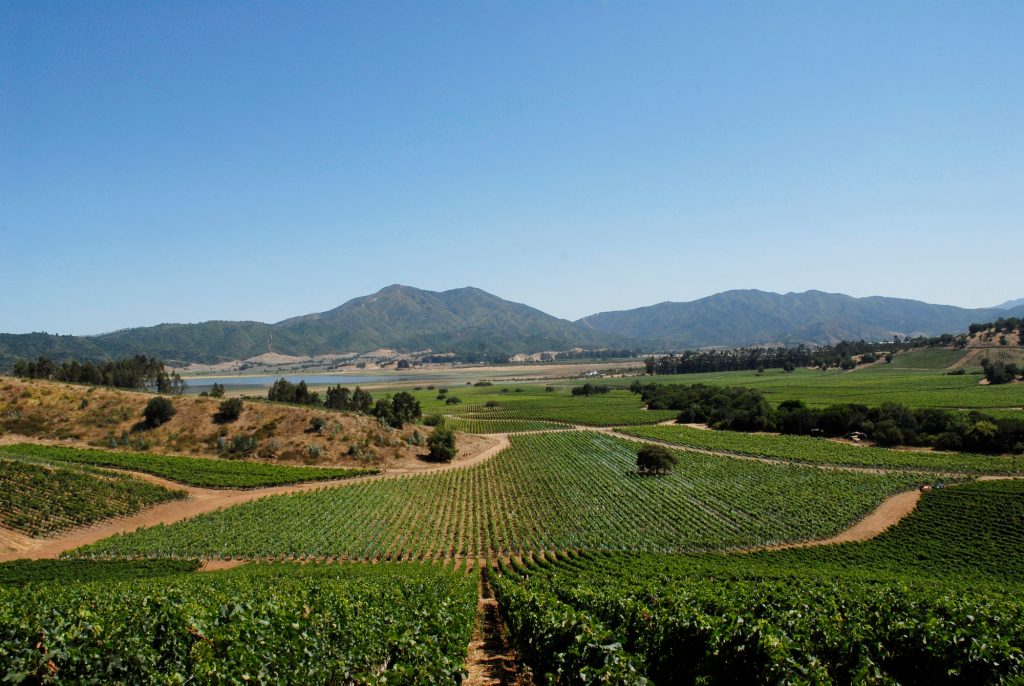
About fifteen years ago, however, Viña Morandé decided to expand this vision and explore the valley’s potential for producing other styles of red wines. It was in this context that the first Malbec plantings were established in Casablanca, in a process that required time, careful observation, and consistency.
“We decided to take a new step in our journey and demonstrate the remarkable quality that certain red varieties can achieve in this region, thanks to the influence of its cool climate, which gives them extraordinary potential,” says Ricardo Baettig, chief winemaker at Viña Morandé.
The development of the wine was far from immediate. It took around ten to fifteen years of monitoring before the team felt confident that something truly distinctive was emerging, something that could be sustained over time.
“We waited for the vines to mature to confirm that there was something special about this wine—something real, not the result of one or two specific vintages. Ultimately, we needed to verify the consistency of a style defined by red fruit, floral notes, and the character of a cool-climate red wine. We also needed to understand the ideal blend, where Malbec would take the leading role,” Baettig explains.
This process culminated in the release of Casatinta in 2024, a wine that not only marks a new chapter for the winery but also helps reposition Casablanca as a region capable of producing Malbec with a distinctive identity.
The Elegance of a Cool-Climate Malbec
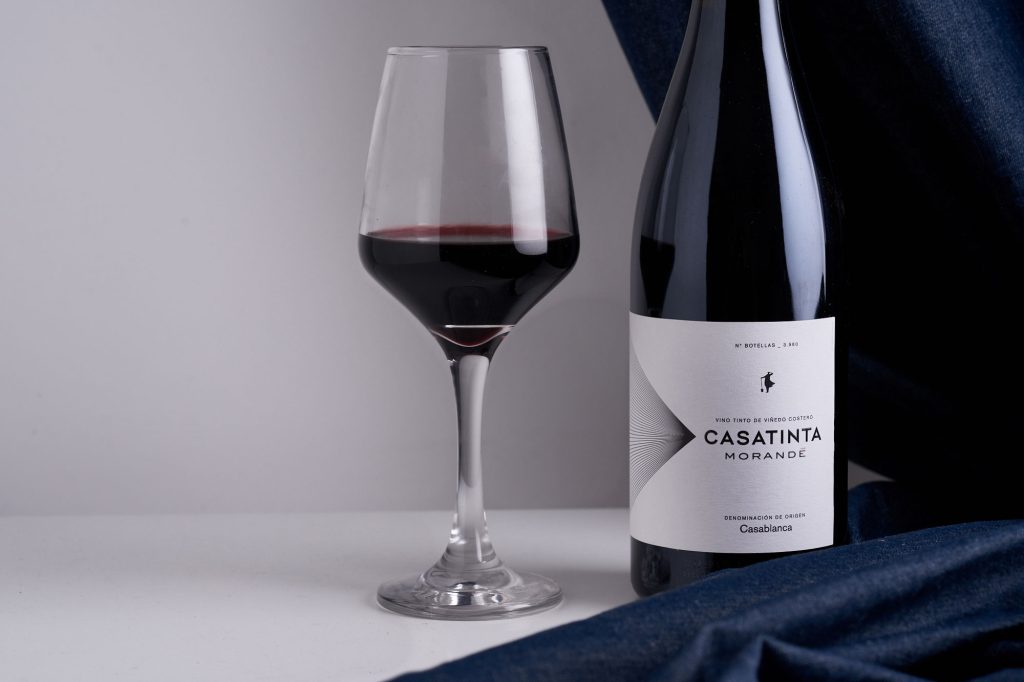
Produced at the Belén vineyard, Casatinta is a blend composed of 72% Malbec, 24% Syrah, and 4% Cabernet Franc. Red granite soils, combined with its northwest-facing slope, provide excellent sun exposure and support a slow, balanced ripening process.
In the glass, this translates into a wine with marked freshness, evident minerality, and an elegance that unfolds in layers. Malbec expresses itself through floral notes, delicacy, and red fruit, while Syrah adds depth with black fruit and a subtle hint of black olives—a characteristic often found in Casablanca reds. Cabernet Franc plays a structural role, contributing precise tannins and spicy notes that enhance the wine’s complexity.
“The result fills us with satisfaction, as we have created a truly unique wine that sets a milestone in the development of high-end Malbecs in this valley,” Ricardo highlights.
Recognition That Confirms the Path
Critical acclaim came early and consistently. The 2020 vintage received 94 points from Alistair Cooper MW and 94 points from Descorchados, which named it Revelation Wine of 2024. The following vintage went even further, earning 96 points from James Suckling, 95 from Descorchados, and 93 points from both La CAV and Vinous Media.
Beyond the scores, these results reflect a moment of affirmation. Chilean Malbec, particularly when grown in cooler regions, is beginning to gain ground with a style that emphasizes balance, precision, and a strong sense of origin, revealing a distinctive and still little-known facet of the variety.